


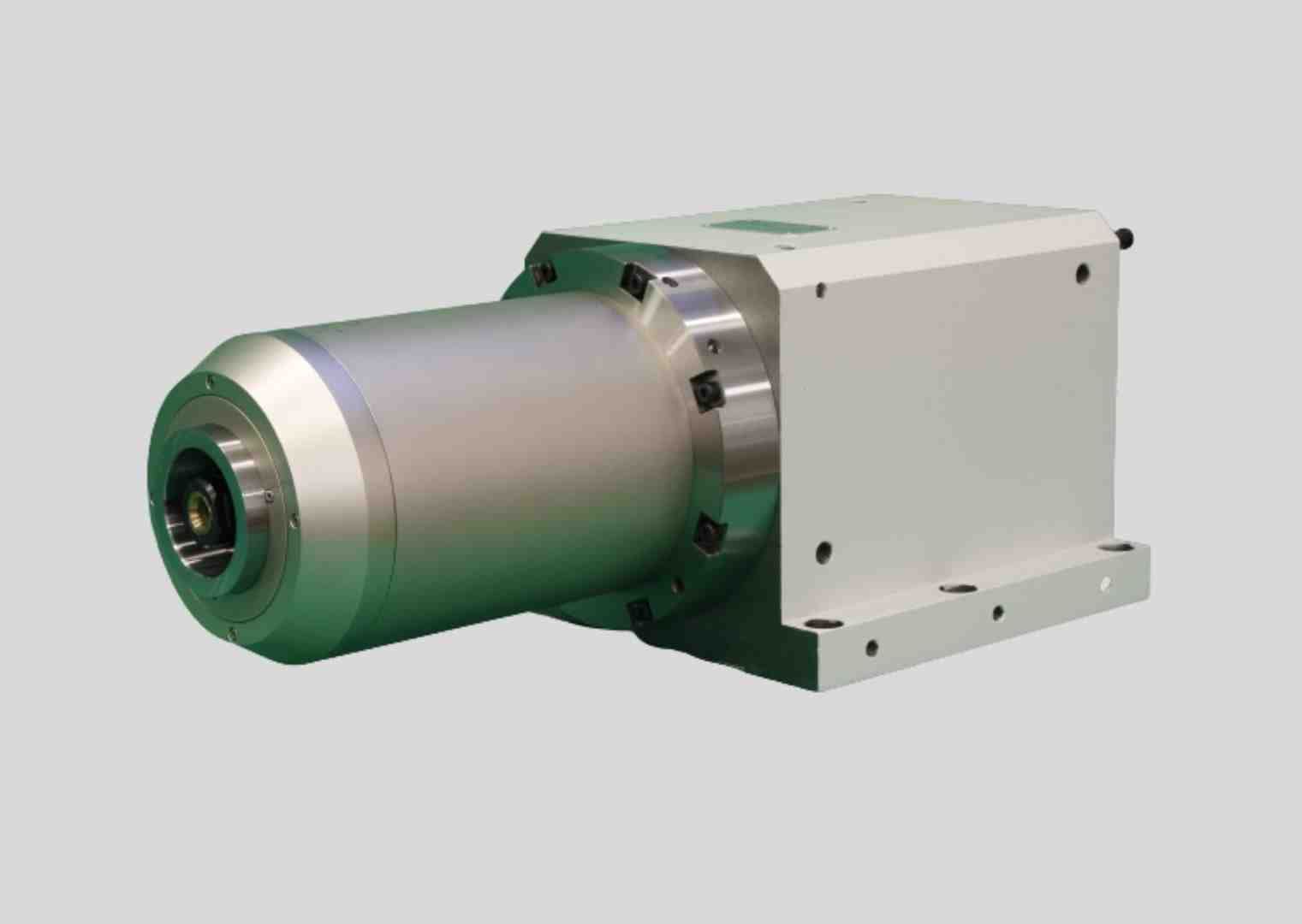
CNC router spindle motor: Essential 2025
SHOWING THE POWERHOUSE: YOUR INDUSTRIAL CNC ROUTER SPINDLE MOTOR
A CNC router spindle motor is the engine of your industrial CNC machine. This highly engineered component is vital for turning raw materials into finished parts with incredible accuracy. It’s the critical part that:
- Holds and spins the cutting tool at high RPMs.
- Provides the power and speed for material removal.
- Directly impacts the precision and finish of your final product.
In industrial manufacturing, where precision and efficiency are paramount, the spindle motor’s performance shapes the quality, speed, and success of your machining operations. Understanding this component is key to achieving better parts, faster production, and a more reliable manufacturing process.

THE HEART OF THE MACHINE: WHAT IS AN INDUSTRIAL CNC ROUTER SPINDLE MOTOR?
Think of your CNC machine as a precision athlete; the CNC router spindle motor is its beating heart. This component holds the cutting tool and rotates it at incredibly high speeds, carving away material with surgical precision. Without a properly functioning spindle, a CNC router cannot perform its function.
What makes an industrial CNC router spindle motor different from a common motor? Industrial workhorses are engineered for continuous operation at high speeds and extreme precision, built to handle tremendous forces. While a household motor runs intermittently, an industrial spindle can operate for hours, maintaining micron-level accuracy under heavy cutting loads.
This performance relies on the relationship between torque and power. Power, measured in kilowatts (kW) or horsepower (HP), indicates how much work the spindle can do. Torque is the rotational force that cuts through material. Machining hardened steel or dense composites requires both high power and substantial torque to prevent stalling. Many industrial applications demand spindles exceeding 10kW to provide the raw strength needed.
Power delivery is also key. A Direct Drive CNC system couples the motor directly to the spindle shaft for maximum efficiency, while a Belt Drive Spindle uses belts and pulleys to transmit power. The goal is the same: reliable, powerful rotation. For more fundamentals, see our guide on What is Spindle Motor in CNC?.
CORE COMPONENTS OF A SPINDLE ASSEMBLY
Understanding a spindle’s core components highlights the precision engineering involved.
The motor housing is the protective shell, shielding internal components from contamination and providing mounting points to the machine’s gantry.
The shaft is the central, precisely balanced rod that transmits power from the motor to the cutting tool. Its rigidity is critical, as any flex translates to imperfections in finished parts.
Bearings are arguably the most critical components for precision and longevity. High-grade spindle bearings, often ceramic and rated to P4 grade precision or better, support the shaft for high-RPM rotation with minimal friction. They handle enormous loads while maintaining extreme accuracy. Our Spindle Parts page explores these components further.
The collet system (e.g., ER11, ER25, ER32) grips the cutting tool. The collet’s precision directly affects tool runout and, therefore, part quality. The Spindle Bearing Assembly works with the collet to ensure stability.
Finally, the tool holder interface is the standardized connection point, such as HSK or ISO tapers. These interfaces enable rapid, repeatable tool changes, which is vital for Automated Tool Changer (ATC) systems.
HOW SPINDLE SELECTION IMPACTS MATERIAL PROCESSING
Choosing the right CNC router spindle motor means matching its characteristics to your materials.
When machining hard materials like aluminum, steel, or dense composites, you need a spindle with high power and substantial torque, especially at lower RPMs. These materials require aggressive cutting forces, and the spindle must deliver that force without hesitation.
For soft materials like wood, plastics, or foams, higher RPMs (24,000 to 60,000 RPM) are beneficial. High speeds produce smoother finishes, reduce burring, and increase material removal rates with smaller tools.
The global CNC spindle market, valued at USD 1.1 billion in 2022 and projected to reach USD 1.7 billion by 2030, reflects the demand for specialized spindle solutions.
A well-chosen spindle directly improves your operation. Minimal runout and stable speed control yield superior surface finishes, reducing post-processing. A powerful spindle allows for higher material removal rates (MRR), while a robust spindle handles greater cutting forces, leading to more stable machining and longer tool life. The key is balancing power, speed, and torque for your specific goals. Our team can guide you through various Spindle Motor Applications to find the optimal choice.
DECODING YOUR OPTIONS: TYPES OF CNC ROUTER SPINDLE MOTORS
When exploring CNC router spindle motors, you’ll find a variety of options engineered for specific applications, differing mainly in cooling systems, power ratings, and speed ranges.
Industrial spindle power can range from 800W (about 1HP) for light work to over 10kW for heavy-duty applications. Speeds can span from a few thousand RPM for metal cutting to over 60,000 RPM for fine engraving. This versatility ensures a spindle motor exists for nearly any industrial challenge. Whether you need an Electric Spindle Motor or a specialized Pneumatic Spindle Motor, each type offers distinct advantages.
AIR-COOLED VS. WATER-COOLED SPINDLES
One of the most fundamental choices is the spindle’s heat management system, which impacts performance, noise, and maintenance.
Air-cooled spindles use a fan to blow air across cooling fins. This simple design is less expensive and easier to install, with no pumps or coolant to manage. They are a good choice for colder environments or intermittent use. The main tradeoff is the noise produced by the fan.
Water-cooled spindles use a closed-loop system where a coolant mixture circulates through the spindle to an external radiator or chiller. This method offers superior cooling efficiency, allowing the spindle to run at high speeds for longer periods without overheating—critical for maintaining tight tolerances. They are also remarkably quiet. Many high-precision models achieve runout below 0.003 mm, making them ideal for demanding applications in hotter environments or when machining heat-generating materials like metals.
| Feature | Air-Cooled Spindles | Water-Cooled Spindles |
|---|---|---|
| Cooling Method | Fan-driven air | Liquid coolant circulation (chiller/radiator) |
| Cost | Generally lower upfront | Higher upfront (due to cooling system components) |
| Maintenance | Simpler, fewer components | More complex (coolant checks, pump maintenance) |
| Noise Level | Louder (due to fan) | Significantly quieter |
| Heat Dissipation | Good for moderate loads/durations | Superior for heavy, continuous loads |
| Duty Cycle | Shorter continuous run times, intermittent use | Longer continuous run times, heavy-duty applications |
| Precision | Very good, but can be affected by heat buildup | Excellent, more stable thermal performance |
| Ideal Environment | Colder climates, less demanding applications | Hotter climates, metal/stone processing, high production |
For most industrial applications demanding high precision and prolonged operation, water-cooled spindles provide superior performance. Our services for High Speed Spindle Motor systems ensure peak performance regardless of the cooling method.
KEY SPECIFICATIONS FOR YOUR CNC ROUTER SPINDLE MOTOR
Understanding key specifications is crucial for selecting the right CNC router spindle motor.
Power (kW/HP) represents the spindle’s raw strength to cut through material. Industrial spindles range from 800W (1HP) to over 10kW. More power allows for deeper cuts, faster feed rates, and efficient processing of harder materials.
RPM (Revolutions Per Minute) is the tool’s rotational speed. This varies from a few thousand RPM for heavy cutting to 60,000 RPM or more for fine finishing. Higher RPMs excel on softer materials and with smaller tools, reflecting modern tool development’s focus on speed and precision.
Torque is the rotational force, critical when cutting tough materials. Strong torque, especially at lower RPMs, prevents the tool from stalling. Our page on Servo Motor Torque explores this concept.
Collet Type determines how the tool attaches. The ER series (ER11-ER32) is versatile and widely used. HSK (Hollow Shank Taper) collets offer exceptional rigidity and accuracy for high-performance and ATC applications.
Runout Tolerance measures the accuracy of the tool’s rotation. Low runout (often below 0.005mm) is essential for good surface finish, long tool life, and tight part tolerances.
Bearing Quality is the foundation of spindle precision. High-quality industrial spindles use P4 grade ceramic ball bearings for superior durability, heat resistance, and precision under the demands of continuous high-speed operation.
Carefully considering these specifications ensures your spindle matches your production needs. At MZI Precision, we know the right specification can transform efficiency and quality.
THE CONTROL SYSTEM: VFDS AND SPINDLE MOUNTING
A powerful CNC router spindle motor is only as effective as the systems that control and secure it. The Variable Frequency Drive (VFD) acts as the intelligent control center, while the mounting system anchors the spindle to the machine, ensuring power and precision are translated into accurate cuts.
Getting these elements right is essential for performance, safety, and longevity in any industrial manufacturing environment. For insights on related control systems, see our page on the CNC Servo Drive.
WHY A VFD IS ESSENTIAL FOR YOUR CNC ROUTER SPINDLE MOTOR
If the spindle motor is the heart, the Variable Frequency Drive (VFD) is the brain. It is indispensable for industrial AC spindle motors.
A VFD provides precise speed control, allowing you to dial in the exact RPM for any material or tool. This optimizes both finish quality and tool life. Most industrial spindles are three-phase AC motors for efficiency; a VFD can convert single-phase input power into the three-phase power the spindle needs, adding installation flexibility.
The soft start and stop capability of a VFD gradually ramps speed up and down, reducing mechanical stress on bearings and extending component life. This also prevents sudden jolts that can affect accuracy.
VFDs also offer crucial overload protection. By monitoring the motor’s current and temperature, a VFD can automatically shut down the spindle before serious damage occurs, potentially saving thousands in repairs.
Finally, modern VFDs have programmable parameters to fine-tune acceleration/deceleration rates, speed limits, and torque curves, ensuring your CNC router spindle motor operates at peak efficiency. A VFD open ups your spindle’s full potential. Our guide on How Does Spindle Motor Work? provides a comprehensive overview.
SPINDLE MOUNTING CONSIDERATIONS
Properly mounting your CNC router spindle motor is a critical step that ensures rigidity and alignment.
Your mounting bracket must match the spindle’s mount diameter (e.g., 65mm, 80mm, 100mm) for a precision fit. Industrial mounts are machined from solid aluminum or steel to resist flex and vibration.
Gantry compatibility is also critical. The gantry must be robust enough to support the spindle’s weight and the dynamic forces of cutting.
Alignment, or tramming, ensures the spindle is perfectly perpendicular to the work surface. Even slight misalignment results in tapered cuts and premature tool wear. This is achieved using precision shims or dial indicators.
The entire mounting system must provide exceptional rigidity. Any flexibility in the mount or gantry will manifest as chatter and reduced accuracy.
Finally, minimizing vibration is crucial for precision. A well-designed mounting system helps damp vibrations through robust construction and proper installation. Excessive vibration often points to a mounting issue.
Correct spindle mounting is foundational to achieving high-precision industrial manufacturing. For more details, see our resource on CNC Machine Spindle Assembly.
MAXIMIZING LONGEVITY: SPINDLE MAINTENANCE AND TROUBLESHOOTING
An industrial CNC router spindle motor is a major investment. At MZI Precision, we know that proper care is the difference between years of reliable service and costly production halts. Preventative maintenance maintains the precision and efficiency that make your spindle valuable.
Regular cleaning and inspection should be a daily routine to remove dust and debris that can clog cooling passages or contaminate bearings. Bearing lubrication is critical; use only the manufacturer-specified grease or oil-mist system at the correct intervals to prevent premature failure. Contamination prevention involves ensuring seals are intact and using air purge systems in dusty environments. For water-cooled systems, regular coolant checks are necessary to prevent overheating. Our CNC Spindle Maintenance guide offers detailed procedures, and you can learn to monitor your Spindle Health to catch problems early.
INDUSTRIAL VS. HOBBYIST SPINDLES: A WORLD OF DIFFERENCE
Industrial CNC router spindle motors operate in a different league than hobbyist-grade machines due to fundamental engineering differences.
Industrial spindles are built for continuous operation (24/7) with multiple sets of P4 grade ceramic bearings that maintain precision tolerances (0.003mm or less) over thousands of hours. Their duty cycle allows for sustained full-power operation, unlike hobbyist spindles rated for intermittent use.
Power delivery is also superior. Industrial spindles maintain consistent torque across their RPM range, providing flexibility for different materials. Hobbyist spindles often lose torque at lower speeds. The expected lifespan reflects this, with industrial spindles offering 50,000+ hours of service compared to mere months for hobbyist units under heavy use. The initial investment in industrial equipment pays for itself through reliability and reduced downtime. Our article How Does CNC Spindle Motor Power Compare to a Router? details these differences.
COMMON ISSUES AND TROUBLESHOOTING
Recognizing early signs of trouble can prevent major shutdowns. At MZI Precision, we frequently diagnose and solve these common issues.
Overheating is a frequent problem. If a spindle is too hot to touch, check for a working fan and clear cooling fins on air-cooled units. For water-cooled systems, verify coolant circulation, check the pump, and ensure the reservoir is full. A simple clogged filter can halt production.
Excessive vibration should be addressed immediately. Check for a balanced, undamaged cutting tool first. Then, inspect the spindle mounting for any looseness. Persistent vibration often points to internal bearing issues, which our CNC Spindle Vibration Analysis service can pinpoint.
Poor surface finish can often be traced to tool runout. This can be caused by contaminated or damaged collets, or worn spindle bearings. Always ensure the collet and tool shank are perfectly clean before assembly.
Unusual noises like grinding or whining almost always indicate bearing problems. Continuing to run a noisy spindle will only accelerate the damage. Spindle Bearing Failure often announces itself with noise. When you encounter persistent issues, professional diagnosis is a wise investment. Our CNC Spindle Troubleshooting resources offer guidance, but some problems require the expertise of a dedicated repair facility.
CONCLUSION
We’ve explored the intricate world of the CNC router spindle motor, from its role as the powerhouse of your CNC machine to the details of its cooling systems, key specifications, and control via a VFD. We’ve seen how proper mounting ensures precision and why an industrial workhorse is in a different class from a hobbyist tool.
The key takeaway is clear: investing in a high-quality CNC router spindle motor is a direct investment in your facility’s productivity, precision, and profitability. Its performance shapes your entire operation. The projected growth of the global CNC spindle market to USD 1.7 billion by 2030 is a testament to its indispensable role in modern industry.
Here at MZI Precision, we live and breathe these machines. We understand how critical each CNC router spindle motor is to your business, which is why we are dedicated to the professional repair and rebuilding of industrial manufacturing spindles. Serving Huntington Beach, Los Angeles, and all of California, we are experts in rebuilding OEM spindles to perform better than their original factory specifications.
Don’t let an underperforming spindle slow your production. If you’re noticing issues or considering an upgrade for your Spindle for CNC Router Machine, our team of experts is ready to help.
Contact us for spindle services today to discuss your industrial CNC router spindle motor needs. We’re excited to help you rev up your router for maximum performance and precision.