


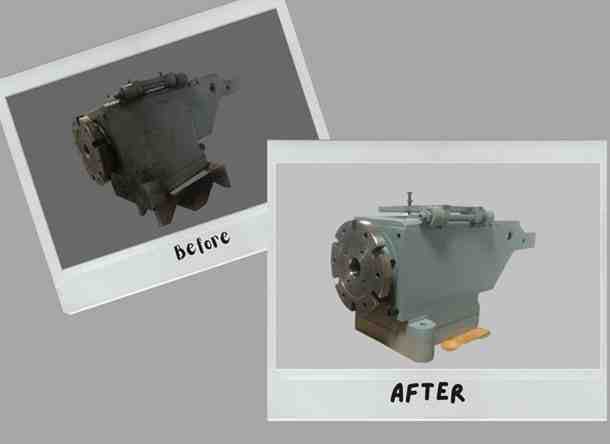
Spindle Replacement Cost: 50% Rule to Save Big!
WHY UNDERSTANDING SPINDLE REPLACEMENT COST MATTERS FOR YOUR OPERATION
Spindle Replacement Cost is one of the most critical budget considerations for manufacturers using CNC machines, machining centers, and precision equipment. When a spindle fails, production stops—and the clock starts ticking on both repair costs and lost revenue.
Quick Answer: What Does Spindle Replacement Cost?
- Simple Repairs: $1,500 – $5,000 (bearing replacement, taper grinding)
- Full Rebuilds: $4,000 – $10,000+ (complete overhaul with multiple parts replaced)
- New Spindle: $10,000 – $40,000+ (depending on machine and spindle type)
- General Rule: Repair costs typically run 25-30% of a new spindle’s price
- Emergency Service Premium: Add $75 – $1,600+ depending on urgency (1-6 day turnaround)
The reality is that spindle failure can shut down entire production lines. One manufacturer described their spindle “torpedoing”—seizing up completely and causing catastrophic damage that increased repair costs by 50% or more. The difference between a $2,000 bearing replacement and a $10,000 full rebuild often comes down to catching problems early.
The cost of inaction is steep. Waiting until a spindle fails completely means dealing with collateral damage. Bearings spin inside their housings, wrecking shafts and potentially burning out electrical components. What could have been a simple repair becomes a complex rebuild with extended lead times.
This guide breaks down the real costs of spindle repair, rebuilding, and replacement. You’ll learn what factors drive pricing, when repair makes sense versus buying new, and how to make smart decisions that minimize downtime while maximizing your budget.
KEY FACTORS THAT INFLUENCE SPINDLE COSTS
Understanding the Spindle Replacement Cost isn’t as simple as checking a price tag. Several critical factors influence the final bill, whether you’re opting for a repair, a rebuild, or a complete replacement. These elements determine the complexity of the work, the parts required, and the labor involved. At MZI Precision, we’ve seen it all, and we know that a thorough evaluation is the first step to an accurate estimate.
SPINDLE TYPE AND COMPLEXITY
Not all industrial spindles are created equal, and their design directly impacts their repair and replacement costs. The more complex the spindle, the more intricate the repair process and the more specialized the parts required.
- Belt-driven spindles: These are often the most straightforward and, consequently, the cheapest to repair. Their design typically separates the motor from the spindle shaft, meaning motor issues don’t always directly impact the spindle itself. While seemingly simpler, even belt-driven spindles require precision for optimal performance. You can learn more about these systems in our guide to Belt-driven spindles California.
- Direct Drive CNC spindles: These integrate the motor directly into the spindle housing. This design offers high precision and speed but makes repairs more complex and often more expensive. Any issue with the motor or its alignment demands specialized expertise.
- Motorized spindles: These are the most integrated and often the most expensive to fix. They contain built-in motors and sophisticated electronics, requiring highly specialized knowledge for diagnosis and repair.
- High-speed spindles and Precision requirements: Spindles used in applications demanding extreme precision, such as aerospace or medical manufacturing, involve tighter tolerances and specialized components. Their repair requires advanced techniques and equipment, driving up costs. The precision required for these spindles means that every component, from bearings to lubrication, must be perfectly matched and installed. Check out our detailed guide on High Precision Spindles.
The more specialized the spindle, the higher the expertise required, and thus, the higher the potential Spindle Replacement Cost. For more detailed insights into various types, explore our article on Belt Drive Spindle.
SEVERITY AND TYPE OF DAMAGE
The nature and extent of the damage are paramount in determining your Spindle Replacement Cost. A minor issue might be a quick fix, while catastrophic failure can necessitate a complete overhaul.
- Spindle Bearing Failure: This is one of the most common issues. Simple bearing replacements can range from $1,500 to $3,000. However, if a bearing failure leads to collateral damage—such as scoring on the shaft or housing—the cost can escalate quickly, turning a simple repair into a more extensive rebuild.
- Motor issues: If the spindle’s motor is damaged, it can range from a minor electrical repair to a full motor rewind or replacement. Learn about Spindle Motor Repair to understand the potential costs involved.
- Taper wear: The taper is where the tool holder connects to the spindle. Wear or damage here can lead to poor tool clamping, runout, and inaccurate machining. Repairing a worn taper often involves regrinding, which can add to the repair cost.
- Drawbar failure: The drawbar mechanism holds the tool holder securely in the taper. A malfunctioning drawbar can cause tools to pull out or not clamp correctly, leading to safety hazards and poor part quality.
- Coolant contamination: Ingress of coolant or chips into the spindle’s internal components is a leading cause of premature failure. This contamination can corrode bearings and other precision parts, necessitating extensive cleaning and replacement.
- Crash damage: A machine crash can cause severe, irreparable damage to multiple spindle components, often making a full rebuild or new spindle purchase the only viable option. When a spindle “torpedoes” due to a crash, components may need regrinding, chrome-plating, or even reverse-engineering, significantly increasing costs and lead times.
URGENCY OF THE JOB: EMERGENCY VS. SCHEDULED
Time is money, especially in manufacturing. The urgency of your spindle repair directly impacts the Spindle Replacement Cost.
- Emergency CNC Spindle Repair: When a spindle fails unexpectedly, production grinds to a halt. To get you back up and running quickly, emergency services often involve expedited fees, after-hours labor, and rushed shipping for parts. These premiums can add significantly to the overall cost, ranging from $75 for a Tier 3 urgent repair to $1,600 for a 1-day expedited service.
- Scheduled maintenance: Proactive maintenance, on the other hand, allows for planned downtime and avoids these emergency premiums. Regular inspections and scheduled repairs, like those outlined in our Preventative Maintenance benefits guide, can catch minor issues before they become catastrophic. This approach not only saves money on repair costs but also minimizes lost production time.
- Expedited spindle repair options: Many service providers offer tiered expedited services (e.g., 1-day, 2-day, 3-day turnaround) at varying price points. These are crucial for minimizing downtime when an unexpected failure occurs, but they come at a higher cost than standard repair times. For example, a 1-day expedited repair might cost $1,600, while a 6-day expedited repair could be $450.
At MZI Precision, we understand the critical nature of minimizing downtime. We work diligently to provide efficient repair services, whether it’s a scheduled rebuild or an urgent situation.
BREAKING DOWN THE SPINDLE REPLACEMENT COST: REPAIR VS. REBUILD VS. NEW
Deciding whether to repair, rebuild, or replace a spindle is a common dilemma for manufacturers. Each option comes with its own set of costs, benefits, and considerations regarding turnaround time and longevity. Let’s break down the typical Spindle Replacement Cost for each scenario.
| Option | Typical Cost Range | Turnaround Time | Typical Warranty | Advantages | Disadvantages |
|---|---|---|---|---|---|
| Simple Repair | $1,500 – $5,000 | 1-3 weeks (standard) | 3-6 months | Quickest, lowest cost for minor issues | Limited scope, may not address underlying problems |
| Full Rebuild | $4,000 – $10,000+ | 2-6 weeks (standard) | 1 year | Cost-effective, restores to OEM spec, extends life | Longer downtime than simple repair, not always viable |
| New Spindle | $10,000 – $40,000+ | Weeks to months | 1 year+ | Guaranteed performance, latest tech, full life | Highest upfront cost, long lead times |
SIMPLE REPAIRS: THE QUICK FIX ($1,500 – $5,000)
A simple repair focuses on addressing a specific, localized issue within the spindle assembly. This is often the most budget-friendly option if the damage is minimal and hasn’t caused widespread issues.
- Spindle Bearing Replacement: Worn or damaged bearings are a common culprit for spindle issues like vibration, noise, and runout. Replacing just the bearings can restore performance if other components are still in good condition. Costs for bearing replacements can start around $1,500 to $3,000.
- Taper grinding: If the tool taper is worn or damaged, it can lead to poor tool clamping and accuracy. Precision regrinding of the taper can often correct this issue without needing to replace the entire shaft.
- Drawbar force adjustment: Proper drawbar force is crucial for secure tool retention. Adjusting or replacing components of the drawbar mechanism can resolve issues with tool clamping.
- Minor component replacement: This could include seals, O-rings, or small electrical components that have failed without impacting the main structural integrity of the spindle.
Simple repairs are ideal for catching problems early through regular maintenance. If you notice slight changes in sound, vibration, or surface finish, addressing them promptly can prevent a small issue from becoming a costly catastrophe.
FULL SPINDLE REBUILDS: A COMPREHENSIVE OVERHAUL ($4,000 – $10,000+)
When damage is more extensive or multiple components are affected, a full rebuild is often the most economical and effective solution. This process brings the spindle back to, or even exceeding, its original OEM specifications.
- Complete disassembly: The spindle is fully taken apart, cleaned, and thoroughly inspected. Every component is checked for wear, damage, and contamination.
- CNC Spindle Rebuild Cost: Rebuilds typically range from $4,000 to $10,000 or more, depending on the severity of damage and the complexity of the spindle. This cost is usually less than half the price of a new spindle.
- Component replacement: All worn or damaged parts, including bearings, seals, springs, and sometimes the motor windings, are replaced with new, high-quality components. If the motor is damaged, our experts can perform Spindle Motor Rewinding to restore its function.
- Balancing: Precision balancing is performed to ensure smooth operation, reduce vibration, and extend the lifespan of the rebuilt spindle.
- OEM specifications: The rebuilt spindle is tested rigorously to ensure it meets or exceeds the original manufacturer’s performance standards, often including speed, vibration, and temperature checks.
A full rebuild is a strong investment, offering significant cost savings over a new unit while providing renewed performance and a substantial warranty. Explore our comprehensive Spindle Rebuild services to see how we can extend the life of your equipment.
PURCHASING A NEW SPINDLE: THE HIGH-END OPTION ($10,000 – $40,000+)
Sometimes, a new spindle is the only answer. This option typically represents the highest upfront Spindle Replacement Cost but offers the assurance of brand-new technology and a full manufacturer’s warranty.
- OEM pricing: New industrial spindles, especially for high-precision CNC machines, can range from $10,000 to $40,000 or even more. The price depends heavily on the machine’s make, model, and the spindle’s specifications (speed, power, taper size).
- Lead times: A challenge with new spindles is often the lead time. Supply chain disruptions can extend delivery times from weeks to many months, causing significant production delays. This was particularly evident during recent global events, where the cost threshold for repair vs. new often shifted dramatically because new spindles were simply unavailable.
- Upgrading technology: A new spindle might be justified if you’re looking to upgrade your machine’s capabilities (e.g., higher RPMs, more power) or if your current spindle technology is obsolete.
- View New and Custom Spindles: While we specialize in repair and rebuilds, we understand the need for new units in certain situations.
The decision to buy new should be carefully weighed against the benefits of a rebuild, considering both the immediate Spindle Replacement Cost and the long-term impact on your operations.
WHEN TO REPAIR AND WHEN TO REPLACE YOUR SPINDLE
Making the right choice between repairing, rebuilding, or replacing your industrial spindle is a critical business decision. It impacts not only your immediate budget but also your long-term productivity and profitability. We believe in empowering our clients with the knowledge to make informed decisions.
THE 50% RULE: A COST-EFFECTIVE GUIDELINE
A common guideline in the industry is the “50% rule”: Ideally, the cost to repair a spindle should be less than half the cost of a new spindle. If the repair estimate exceeds this threshold, a new spindle might be the more sensible investment.
- Repair cost vs. new cost: On average, the cost to repair a spindle runs between 25% and 30% of the cost of a new spindle. This statistic strongly supports the financial viability of repair and rebuild services.
- General rule of thumb: This rule provides a quick initial assessment. However, it’s not always black and white.
- Market conditions: As we’ve seen, supply chain issues and OEM availability can significantly alter this threshold. During times of long lead times for new spindles, the acceptable repair cost percentage might increase simply to avoid extended downtime.
- Insights on rebuild costs from industry professionals: Experts agree that if you’re pulling a spindle for service before it completely locks up, you can save a significant portion of the repair cost—sometimes up to 50%. Waiting until it fails catastrophically (“torpedoes”) means dealing with collateral damage, increasing costs and lead times.
WHEN TO CHOOSE A FULL SPINDLE REPLACEMENT
While we champion repair and rebuilds, there are indeed situations where a full Spindle Replacement Cost for a new unit is unavoidable or simply the better strategic choice.
- Irreparable crash damage: Sometimes, a machine crash causes such extensive damage to the spindle housing or critical components that repair is simply not feasible or safe.
- Obsolete technology: If your current spindle is very old and replacement parts are no longer available, or if its technology is so outdated that it hinders your production capabilities, a new spindle might be necessary.
- Upgrading capabilities: If you need to significantly increase your machine’s speed, power, or precision beyond what your current spindle can offer, investing in a new, higher-performance spindle makes sense.
- Underperforming spindle: If a spindle consistently underperforms even after multiple rebuilds, or if its inherent design is no longer suitable for your demanding applications, a new unit may be required for reliable production.
When considering replacement, consult our Spindle Replacement Guide for comprehensive insights.
THE STRONG CASE FOR SPINDLE REPAIR AND REBUILDING
For most industrial applications, repairing or rebuilding a spindle offers compelling advantages that make it the preferred choice.
- Cost savings: Repairing and rebuilding are almost always more cost-effective solutions than purchasing new spindles. You’re only paying for the damaged components and the labor to restore them, not the entire unit. This is a significant factor in managing your overall Spindle Replacement Cost.
- Faster turnaround: While emergency services have their premiums, a planned rebuild can often be completed much faster than the lead time for a new OEM spindle, especially for specialized or older models. This minimizes costly production downtime.
- Sustainability: Repairing and reusing existing equipment is an environmentally responsible choice, reducing waste and the demand for new manufacturing.
- Restoring to OEM standards: A professional rebuild by experts like MZI Precision ensures that your spindle is restored to its original manufacturer’s specifications, often with upgrades to bearings or lubrication that can improve its performance and longevity. We specialize in OEM Spindle Rebuild for a wide range of manufacturers.
The decision to repair or replace is a nuanced one. Our Spindle Rebuild or Replace analysis provides further guidance to help you make the best choice for your operation. We are experts in Spindle Repair California, serving the industrial needs of Huntington Beach and Los Angeles.
FREQUENTLY ASKED QUESTIONS ABOUT SPINDLE REPLACEMENT COST
We often hear similar questions from manufacturers trying to steer the complexities of Spindle Replacement Cost. Here, we address some of the most common inquiries.
WHAT IS THE AVERAGE LIFESPAN OF AN INDUSTRIAL SPINDLE?
The average lifespan of an industrial spindle is not a fixed number; it’s a dynamic variable influenced by several critical factors:
- Usage hours and intensity: Spindles used continuously at high speeds and under heavy loads will naturally experience wear faster than those used intermittently or for lighter tasks.
- Maintenance practices: Regular, proactive maintenance is the single most important factor in extending spindle life. This includes proper lubrication, routine inspections, and addressing minor issues like Spindle Runout Check promptly.
- Operating conditions: Factors like coolant quality, temperature control, and environmental contaminants (e.g., dust, chips) play a huge role. Contamination ingress is a leading cause of premature spindle failure.
- Application type: Spindles in high-precision grinding or high-speed machining applications are subject to different stresses than those in general milling, affecting their expected lifespan.
While some spindles might last only a few thousand hours under harsh conditions without proper care, others can perform reliably for tens of thousands of hours with diligent maintenance. Utilizing tools like Spindle Vibration Analysis can help predict impending failures and extend operational life significantly by allowing for planned interventions.
HOW DOES A SPINDLE REBUILD DIFFER FROM A SIMPLE REPAIR?
The distinction between a simple repair and a full spindle rebuild is crucial for understanding the scope of work and the associated Spindle Replacement Cost.
- Simple repair: This targets a specific, isolated problem. For example, if only one bearing is making noise and the shaft, housing, and other components are in perfect condition, a simple bearing replacement might suffice. This is a localized fix for a single point of failure. It’s quicker and less expensive, but it doesn’t address potential wear in other components.
- Spindle Rebuild: A rebuild is a comprehensive, factory-level overhaul. The spindle is fully disassembled, every component is carefully cleaned, inspected, and measured. All wear parts, such as bearings, seals, springs, and sometimes even the motor windings or other critical parts, are replaced with new ones. The shaft taper might be reground, and the entire assembly is then balanced and tested to meet or exceed original OEM specifications. A rebuild essentially gives you a “new” spindle in your existing housing, often at a fraction of the cost of a brand-new unit. It offers a longer warranty and renewed performance for the entire assembly.
ARE THERE HIDDEN COSTS ASSOCIATED WITH SPINDLE FAILURE?
Absolutely. The upfront Spindle Replacement Cost for repair or a new unit is just one piece of the puzzle. The true cost of spindle failure extends far beyond the repair invoice.
- Production downtime: This is by far the most significant hidden cost. When a critical machine is down, you’re losing production capacity, missing deadlines, and potentially incurring penalties. Every hour your machine isn’t running is revenue lost.
- Shipping costs: Transporting a heavy, delicate spindle to and from a repair facility can be expensive, especially for expedited services.
- Removal and installation labor: Disconnecting the old spindle, removing it from the machine, installing the repaired or new spindle, and reconnecting all utilities requires skilled labor and machine downtime.
- Machine recalibration: After a spindle is replaced or reinstalled, the machine often needs to be recalibrated to ensure accuracy and precision, which adds to the downtime.
- Potential for scrapped parts: Before a spindle completely fails, it often exhibits declining performance (e.g., increased runout, vibration, poor surface finish). Continuing to run the machine during this period can lead to producing out-of-spec parts that must be scrapped, wasting material and prior labor.
- Expedited service premiums: As discussed, trying to rush a repair or replacement adds significant surcharges.
- Customer dissatisfaction: Missed production deadlines due to spindle failure can damage customer relationships and lead to lost future business.
Proactive maintenance and planning for potential spindle issues can dramatically reduce these hidden costs, safeguarding your bottom line and reputation.
CONCLUSION
Navigating the complexities of Spindle Replacement Cost can feel like a daunting task, but with the right knowledge and partnership, it doesn’t have to be. We’ve explored the myriad factors that influence these costs, from the type and severity of damage to the urgency of your repair needs.
The key takeaway is clear: while a new spindle offers guaranteed performance, repairing or rebuilding your existing unit is often the most cost-effective and efficient solution, especially when adhering to the “50% rule.” Proactive maintenance, such as regular inspections and addressing minor issues promptly, is your best defense against catastrophic failures and their associated hidden costs, particularly lost production time.
Making an informed decision about your spindle’s future requires a comprehensive evaluation by experienced professionals. At MZI Precision, we pride ourselves on our expertise in Industrial Spindle Repair California and our commitment to providing exceptional service. Whether your operation is in Los Angeles or Huntington Beach, we understand the critical role your spindles play in your production process.
For a comprehensive evaluation and to understand your specific Spindle Replacement Cost, it’s crucial to partner with experienced professionals. Contact us today for an expert assessment and to discuss the best solution for your industrial manufacturing needs. We’re here to help you get back to precision production quickly and efficiently.
https://mziprecision.com/spindle-replacement-cost/
https://mziprecision.com/
https://mziprecision.com/contact/
https://mziprecision.com/services/