


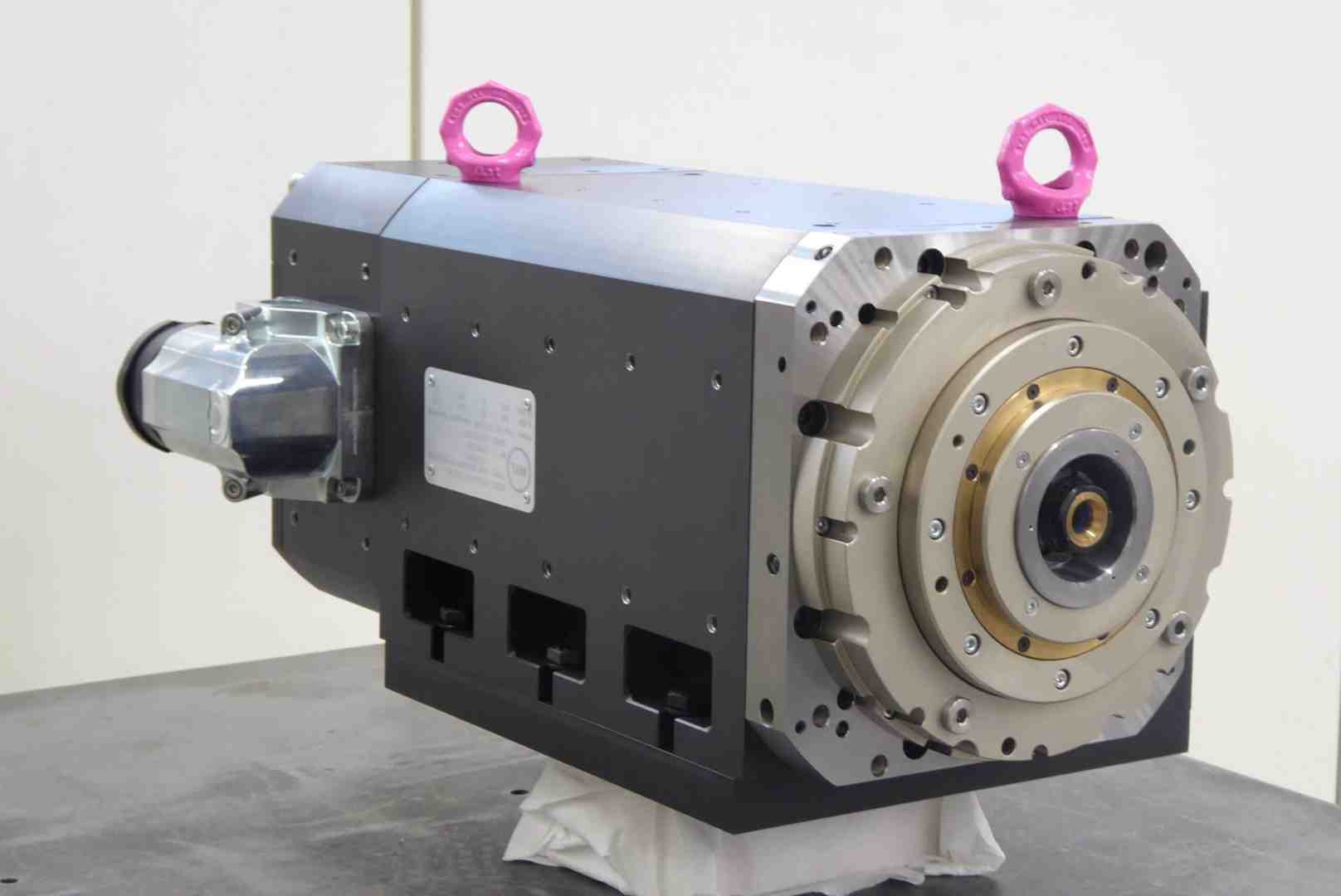
Spindle for CNC Router Machine: Top 5 Selection Secrets
WHY THE RIGHT SPINDLE SELECTION MATTERS FOR YOUR INDUSTRIAL CNC ROUTER
A Spindle for CNC Router Machine is the core component of your industrial manufacturing operation, holding and spinning the cutting tool with the precision, speed, and torque required to machine complex parts reliably.
Quick Guide to Choosing an Industrial CNC Router Spindle:
- Power & Torque – Match motor power (1.5-7.0 HP) to your cutting demands.
- RPM Range – Use higher speeds (12,000-24,000 RPM) for finishing and lower speeds for heavy cuts.
- Cooling Method – Air-cooled for simplicity; water-cooled for quiet operation and temperature stability.
- Tool Holding – ER collets for smaller tools; ISO30 or HSK tapers for automatic tool changers.
- Motor Type – Motorized (direct-drive) for precision; belt-driven for high low-end torque.
Selecting the correct spindle directly impacts component quality, productivity, and operational costs. As one industry resource notes, “the development of modern tools focuses on speed and precision, and CNC spindle makers have enabled manufacturers to meet ever-changing industry demands.”
Choosing the right spindle means matching its capabilities to your specific manufacturing needs—whether that’s rigid tapping, engraving with micro end mills, or heavy milling of aluminum. The right industrial spindle is a critical investment, with modern modular platforms offering design improvements like rigid ISO30 tool tapers and 4-bearing shafts for improved durability and performance.

KEY SPECIFICATIONS FOR YOUR CNC ROUTER SPINDLE
Choosing the right Spindle for CNC Router Machine means understanding which specifications matter for your industrial manufacturing work and how they deliver the performance you need.
POWER (KW/HP) AND TORQUE
Power, measured in horsepower (HP) or kilowatts (kW), determines what your spindle can accomplish. For industrial CNC router applications, power levels from 4.0 to 7.0 HP represent the threshold for industrial-grade reliability.
However, power alone isn’t enough. Torque is the rotational force that keeps your spindle cutting consistently, especially when the material pushes back. High-torque spindles are essential for demanding materials like thick aluminum or stainless steel where aggressive material removal is needed. In contrast, a spindle optimized for high-speed operation might be better for precision finishing, even with less low-end torque.
The key is matching the spindle’s power profile to your cutting requirements. Our Spindle Torque Measurement services can help you understand these critical relationships.
ROTATIONAL SPEED (RPM)
Spindle speed, measured in revolutions per minute (RPM), directly impacts surface finish quality and job completion times.
High-speed machining, often at 24,000 RPM, is ideal for achieving smooth surface finishes, especially with smaller diameter tools. This speed is excellent for materials that benefit from higher cutting speeds and require fine detail.
However, the optimal RPM depends on your tool, workpiece, and desired finish. Running too slow causes poor chip evacuation and tool chatter, while running too fast can burn tools and compromise part quality. Higher speeds generally increase material removal rates (MRR), but this must be balanced with feeds and depth of cut.
For more on how spindle speeds affect your applications, see our guide on Maximum Spindle Speed in CNC Machine.
TOOLING AND COLLET TYPES
The tool holding system is the critical interface between your cutting tools and the spindle.
Collet systems like ER11 and ER20 are common for CNC routers. ER11 collets are for smaller tool shanks used in engraving and detail work, while ER20 collets handle larger tools with excellent concentricity. Collet quality directly affects runout and part tolerance.
For industrial applications with automatic tool change (ATC) systems, consider tool tapers like ISO30, HSK, and BT. The ISO30 tool taper is a standard for modern modular spindles, offering rigid connections for heavy cutting. HSK provides exceptional rigidity for high-speed operations with its dual-contact design.
Rigidity is crucial in industrial applications for consistent cuts, longer tool life, and meeting dimensional requirements. Learn more about our work with Precision Spindles to see how proper tool holding affects manufacturing outcomes.
COMPARING SPINDLE TYPES AND COOLING SYSTEMS
Choosing the right Spindle for CNC Router Machine involves understanding how different spindle types and cooling methods perform in your industrial manufacturing environment.
| Feature | Air-Cooled Spindles | Water-Cooled Spindles |
|---|---|---|
| Cost | Generally lower initial cost | Higher initial cost (due to chiller, pump, tubing) |
| Maintenance | Simpler, fan cleaning, dust accumulation | More complex, coolant monitoring, pump maintenance |
| Noise Level | Louder (due to fan noise) | Quieter operation |
| Temperature Control | Less consistent, affected by ambient temperature | More consistent, better thermal stability |
| Operating Environment | Dustier environments, less critical temperature | High precision, extended run times, noise-sensitive areas |
| Complexity | Lower | Higher |
| Lifespan (with proper care) | Good for intermittent/moderate industrial use | Potentially longer for continuous, heavy industrial use |
AIR-COOLED VS. WATER-COOLED SPINDLES
The cooling method impacts noise, maintenance, and spindle longevity.
Air-cooled spindles use an integral fan to dissipate heat, offering a simple, lower-cost solution. This makes them easy to maintain, though they are louder and their cooling efficiency can be affected by ambient temperatures. For reliable performance where some noise is acceptable, air-cooled spindles offer excellent value. For maintenance and repair information, see our Air Spindle Repair Complete Guide.
Water-cooled spindles use an external chiller and pump to circulate coolant, providing superior and consistent temperature control. This thermal stability is crucial for high-precision applications. They also operate much more quietly. The trade-off is higher initial cost and more complex maintenance. For continuous, high-precision work or noise-sensitive areas, the benefits often justify the complexity.
MOTORIZED (DIRECT-DRIVE) VS. BELT-DRIVEN SPINDLES
The power transmission method also shapes spindle performance.
Motorized spindles (direct-drive) integrate the motor into the spindle unit. This design eliminates backlash and reduces vibration, resulting in higher precision and better surface finishes. They are ideal for high-speed, high-accuracy manufacturing and intricate contouring. The integrated design is more complex to repair, a specialty of our California-based team. Learn more in our Belt vs Direct Drive CNC Guide.
Belt-driven spindles use an external motor connected by a belt and pulley system. This traditional design excels at delivering high torque at lower RPMs, perfect for heavy material removal. The belt can also isolate the spindle from motor vibrations and protect against shock loads. While they may have slightly more vibration than direct-drive units, their torque capabilities make them excellent for demanding cutting operations.
HOW SPINDLE CHOICE IMPACTS YOUR CNC ROUTER MACHINE
Your Spindle for CNC Router Machine is the heart of your manufacturing operation. The right choice shapes your CNC router’s efficiency, capability, and profitability. A well-chosen spindle leads to faster cycle times, better surface finishes, and less downtime, allowing you to tackle more complex materials and geometries.
INDUSTRIAL VS. LIGHT-DUTY APPLICATIONS
Industrial manufacturing demands spindles built for continuous operation. These units require high rigidity to resist deflection, precision during long runs, and the durability to perform year after year. They feature robust bearing systems, advanced cooling, and materials designed for production environments.
Even “light-duty” industrial applications, like prototyping or working with softer materials, demand a level of reliability and precision far beyond hobbyist equipment. The goal is to find a cost-effective solution without sacrificing the industrial-grade performance your operation depends on. For a broader perspective on how different spindles serve various segments, explore our resources on the Industrial Spindles Market.
THE ROLE OF THE VARIABLE FREQUENCY DRIVE (VFD)
The Variable Frequency Drive (VFD) is essential for controlling your industrial spindle. It converts your facility’s power into a variable output to drive the 3-phase spindle motor, offering several key benefits:
- Precise Speed Control: The VFD allows you to dial in the exact RPM for any tool and material combination, optimizing quality and tool life.
- Motor Protection: It provides critical safeguards against overcurrent, overvoltage, and overheating, protecting your spindle from damage.
- Extended Lifespan: Soft start and stop functionality reduces mechanical stress on bearings and other components.
- Energy Efficiency: The motor operates only at the required speed, saving energy.
Without a VFD, modern industrial spindles cannot operate safely or efficiently. If you encounter issues with your VFD, our team in California can help. Learn more about our CNC Spindle Drive Repair services.
BENEFITS OF AN AUTOMATIC TOOL CHANGE (ATC) SPINDLE FOR A CNC ROUTER MACHINE
For maximizing throughput, an Automatic Tool Change (ATC) spindle is a competitive necessity. An ATC system automatically swaps cutting tools from a magazine without human intervention, completing changes in seconds instead of minutes.
The primary benefits include:
- Increased Productivity: Drastically reduces non-productive time spent on manual tool changes.
- Complex Multi-Tool Jobs: Makes it practical to run jobs requiring multiple tools in a single, uninterrupted operation.
- Improved Accuracy: Automated changes are precise and repeatable, eliminating errors from manual handling.
- Versatility: Allows the machine to handle a wider range of operations and materials without operator intervention.
Many industrial ATC spindles use robust tool tapers like ISO30 to ensure the rigidity and repeatability needed for automated production.
SPINDLE MAINTENANCE AND ADVANCED TECHNOLOGY
Your Spindle for CNC Router Machine is a significant investment that requires regular care to deliver peak performance. As the development of modern tools focuses on speed and precision, CNC spindles are at the heart of this evolution, with new technologies making them more capable and easier to maintain.
MAINTAINING YOUR SPINDLE FOR CNC ROUTER MACHINE
A well-maintained spindle ensures consistent accuracy, reduces downtime, and extends service life. Key maintenance tasks include:
- Regular Cleaning: Keep the spindle housing, cooling fins, and tool holder area free of dust, chips, and residue to prevent overheating and runout issues.
- Monitor for Vibration: Unusual noises or vibration are early warnings of worn bearings or unbalanced tools. Our page on Spindle Vibration Analysis explains what to look for.
- Proper Lubrication: Follow the manufacturer’s guidelines for bearing lubrication to prevent premature wear and overheating.
- Check for Runout: Regularly use a dial indicator to monitor for runout, which impacts accuracy and tool life. Our guide on Spindle Runout Check provides step-by-step instructions.
- Scheduled Inspections: Implement a consistent inspection schedule based on your work environment. Proactive maintenance is always more cost-effective than reactive repairs.
Our team at MZI Precision in California has decades of experience helping manufacturers with spindle maintenance and repair.
LATEST TRENDS IN SPINDLE TECHNOLOGY
The industrial spindle world continues to innovate, making modern spindles smarter and more powerful.
- Smart Spindles: Integrated sensors track temperature, vibration, and cutting loads in real-time, enabling predictive maintenance to prevent unexpected failures.
- Higher Power Density: Advanced designs pack more power into smaller, lighter packages, creating more agile CNC routers without sacrificing performance.
- Modular Designs: These simplify repairs, maintenance, and upgrades with standardized components.
- Improved Cooling Systems: Sophisticated internal channels and thermal management strategies provide more stable operating temperatures, improving accuracy and bearing life.
- USA-Manufactured Spindles: Growing interest in domestically produced spindles offers tighter quality control and faster support, a specialty of our California facility.
These advances deliver real-world benefits like improved part quality and reduced downtime. Our Re-engineered Spindle Upgrades service can modernize your equipment without the cost of a full replacement.
FREQUENTLY ASKED QUESTIONS ABOUT CNC ROUTER SPINDLES
Here are answers to the most common questions we receive from industrial manufacturers about their CNC router spindles.
WHAT IS THE DIFFERENCE BETWEEN A STANDARD ROUTER MOTOR AND AN INDUSTRIAL CNC SPINDLE?
A standard router motor is a brush-motor tool designed for intermittent, manual use, offering lower precision and a much shorter lifespan (a few hundred hours). An industrial CNC spindle is an industrial-grade, brushless component engineered for continuous, automated operation. It features superior bearings, sophisticated cooling, and robust construction to maintain tight tolerances for thousands of hours. It is a precision manufacturing component, not just a tool.
HOW DO I KNOW IF MY SPINDLE NEEDS REPAIR?
Your spindle will show signs when it needs attention. Key indicators include:
- Increased noise or vibration.
- Excessive heat from the spindle housing.
- Poor surface finish or chatter marks on parts.
- Measurable runout that exceeds acceptable limits (e.g., >0.0002″).
If you notice these issues, seek a professional CNC Spindle Repair service to prevent further damage. Catching problems early can save you from a complete failure and costly downtime.
WHAT ARE THE TYPICAL PRICE RANGES FOR INDUSTRIAL CNC SPINDLES?
The price of an industrial Spindle for CNC Router Machine varies based on power, features, and cooling.
Entry-level, lower-power air-cooled spindle kits can start in the $150 – $350 range. For example, a 1.5KW air-cooled kit might cost around $177, while a 2.2KW kit could be about $225. Water-cooled kits in this range are slightly more, from $294 to $332.
However, high-power, high-precision industrial spindles with features like Automatic Tool Change (ATC), HSK or ISO30 tapers, and smart sensors can range from several thousand to tens of thousands of dollars. These are precision-engineered systems built for continuous heavy-duty operation where the investment pays for itself in reliability and uptime. The key is to match the spindle’s capability and cost to your manufacturing needs.
CONCLUSION
You now have the knowledge to make an informed decision about your Spindle for CNC Router Machine. Your spindle choice is a strategic investment in your industrial manufacturing capability. The right spindle—matched for power, torque, RPM, and cooling—is the foundation of your production quality and efficiency.
A healthy spindle, well-suited to your needs, leads to tighter tolerances, faster cycle times, and better profitability. Modern advancements like modular designs and integrated sensors are making industrial manufacturing more precise and efficient than ever.
At MZI Precision in California, our expertise is in industrial spindle rebuilding and repair. We ensure your spindle operates at peak performance, whether for high-volume production or precision components.
Making the right choice today sets you up for success. When your spindle needs attention, you’ll know the signs and where to turn for expert help.
Ready to take the next step? For expert assistance in selecting, maintaining, or repairing your Spindle for CNC Router Machine, explore our resources at Spindle for CNC Router Machine. Our team is here to help you open up the full potential of your CNC router.