


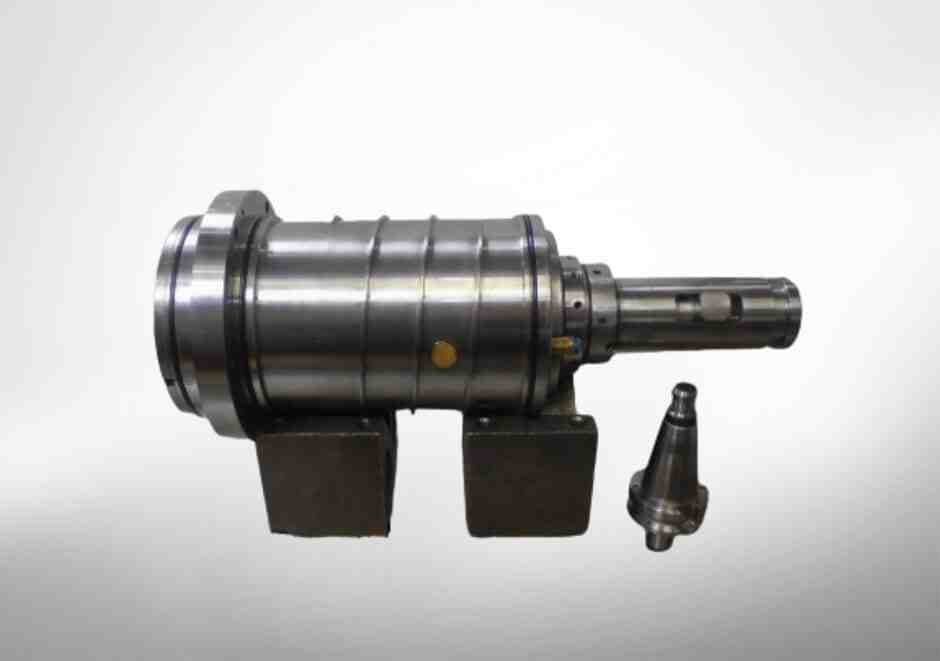
Spindle Tool Changer: 5 Essential Benefits 2026
Why Spindle Tool Changers Are Essential for Modern CNC Machining
A spindle tool changer, or Automatic Tool Changer (ATC), is a system that automates swapping cutting tools on CNC machines. When one operation finishes, the spindle ejects the current tool and loads the next from a magazine, all without operator intervention.
Quick Overview: What You Need to Know
- What it does: Automatically switches cutting tools during CNC operations.
- How it works: Uses a mechanism to swap tools between the spindle and a storage magazine.
- Main types: Umbrella (carousel), arm-type, and chain-type systems.
- Tool capacity: Ranges from 6 tools to over a hundred, depending on the system.
- Key benefit: Reduces non-productive time and eliminates manual tool change errors.
- Common applications: Aerospace parts, medical devices, and complex molds.
Manual tool changes are a major bottleneck in traditional machining. An operator stopping a machine to swap tools wastes time, introduces safety risks, and increases the chance of human error—limiting the potential for lights-out manufacturing. An ATC spindle resolves these issues by handling tool changes in seconds with computer-controlled precision.
Automatic tool changers can perform tool swaps in just a few seconds and repeat the process thousands of times without intervention. Simpler systems may hold only six tools, while large chain-type systems can store hundreds for complex, multi-operation jobs.
For any industrial manufacturing operation that demands precision, speed, and reliability—especially in sectors like aerospace and medical device production—spindle tool changers are essential equipment, not optional upgrades.
Spindle tool changer terms you need:
What is an ATC Spindle and How Does It Work?
An Automatic Tool Changer (ATC) spindle is a conventional CNC spindle engineered to integrate with a system that swaps tools automatically. It’s a high-speed machining spindle with a robotic assistant, ensuring it always has the right tool for the job.
The principle behind an ATC spindle is efficiency through automation. Instead of an operator changing tools, a sophisticated electromechanical system takes over. Here’s a breakdown of the process:
- Command: The CNC program issues a command (often an M6 code) for a tool change.
- Positioning: The spindle stops, moves to a designated tool change position, and orients itself correctly.
- Release: The spindle’s internal drawbar mechanism releases its grip on the spindle tool holder taper, usually via pneumatic or hydraulic action.
- Retrieval: A gripper arm or similar mechanism retrieves the released tool from the spindle and often grabs the next tool from the magazine.
- Swap: The arm swiftly exchanges the old tool for the new one.
- Clamping: The new tool is inserted into the spindle taper, and the drawbar re-engages, clamping it firmly.
- Restart: The gripper arm retracts, and the spindle resumes machining, often within seconds.
This sequence significantly reduces non-productive time, allowing the machine to cut metal rather than wait for an operator. The precision of this automated process also increases accuracy, as tools are seated consistently every time, while improving operator safety by minimizing interaction with sharp tools and moving parts.
An ATC spindle is versatile, capable of performing any function of a conventional spindle, including drilling, tapping, grinding, and honing. For more details, explore the intricacies of a CNC Machine Spindle Assembly.
The Core Benefits of Automation
The integration of an ATC is a strategic improvement that delivers profound benefits. One of the most immediate advantages is shorter production times. With tool changes happening in seconds, the machine spends more time cutting, which translates to higher throughput. The operator is freed to focus on other critical tasks, such as quality control or overseeing multiple machines.
ATCs also significantly increase machine reliability. By automating the tool change, the system eliminates the variability and potential for human error in manual changes. Each tool is seated with consistent force and precision, leading to more predictable outcomes and reduced risk of tool or workpiece damage.
This error reduction is a major win, as automated systems follow programmed instructions with unwavering accuracy. The machine always picks the correct tool, avoiding costly mistakes. This leads to consistent repeatability, a cornerstone of modern manufacturing. Whether making one part or a thousand, an ATC ensures the process is identical every time.
Finally, automatic tool changes enable lights-out manufacturing, where machines operate unattended for extended periods. This maximizes machine utilization, drives down labor costs, and provides a competitive edge. As one statistic highlights, “The ATC increases the reliability, speed, and accuracy of a machine,” and “the use of automatic changers increases the productive time and reduces unproductive time.”
Typical Applications and Materials
The efficiency of spindle tool changer systems makes them indispensable across many industrial manufacturing applications where precision and high throughput are paramount.
In aerospace, ATCs are critical for machining intricate components from tough materials like titanium and specialized alloys. These parts often require numerous tools for different operations—roughing, finishing, drilling, and contouring—all within tight tolerances.
Similarly, in medical device machining, where parts are small, complex, and made from biocompatible materials, ATCs provide the necessary accuracy and repeatability for items like surgical implants.
Complex mold making is another prime area. Molds for plastic injection or die casting frequently feature elaborate geometries that require a diverse range of cutting tools. An ATC seamlessly transitions between these tools, allowing for continuous, unattended machining of complex surfaces.
The materials that ATC spindles can process are as diverse as their applications. They are commonly used with:
- Aluminum: For high-speed machining where rapid tool changes keep up with aggressive material removal rates.
- Steel (various grades): Including stainless and hardened tool steels, demanding robust tools and consistent cutting conditions.
- Composites: Such as carbon fiber reinforced polymers, which require specific tool geometries.
- Plastics: Where precise tool selection prevents melting or poor surface finish.
The ability of an ATC spindle to perform any function of a conventional spindle—drilling, tapping, grinding, and honing—makes it a cornerstone of advanced manufacturing.
Exploring the Types of Spindle Tool Changer Systems
When selecting a spindle tool changer, understanding the different types is crucial. Each system offers unique advantages in tool capacity, change speed, and machine footprint, making them suitable for various production needs.
The choice often depends on job complexity, the number of tools required, and the available space. For a foundational understanding, you can learn more about the basics of an Automatic tool changer.
Umbrella-Type (Carousel) Changers
The umbrella-type tool changer, or carousel, is common on smaller to medium-sized vertical machining centers. Its design features a rotary carousel where tools are held in individual pockets. When a tool change is initiated, the carousel rotates to bring the desired tool into position. The spindle then moves to pick up the new tool.
A key characteristic of umbrella changers is their lower tool capacity, typically ranging from 6 to 30 tools. They are well-suited for applications that do not require a vast number of tools in a single setup.
Tool change speed for these systems is generally slower than arm-type changers because it involves more machine axis movement. However, the time saved over manual changes is still significant.
The umbrella design is a cost-effective solution and is ideal for smaller machines or those with limited space, as the carousel is usually mounted directly on the machine, minimizing its footprint.
Arm-Type Changers
When speed is critical, the arm-type changer, also known as a double-arm changer, is a popular choice. These systems are engineered for rapid tool changes, making them ideal for high-production environments.
The defining feature is a double-ended gripper arm. This arm has two grippers: one to retrieve the tool in the spindle and another to grab the next tool from the magazine. The arm swiftly rotates, swapping the tools in a single, fluid motion. This simultaneous exchange is what makes them incredibly fast, with some able to switch tools in seconds.
Arm-type changers offer an intermediate tool capacity, often from 20 to 50 tools, stored in a separate magazine. This design allows for random-access tool selection, meaning the arm can retrieve any tool without cycling through preceding pockets, further boosting speed. Their efficiency makes them well-suited for complex operations requiring frequent tool swaps.
Chain-Type Changers
For operations demanding an extensive library of cutting tools, the chain-type changer is the ultimate solution. These systems are designed to accommodate a vast number of tools, making them indispensable for highly complex jobs.
The core of this system is a flexible chain mechanism that acts as a continuous loop carrying tool pockets. This chain can be quite long, holding a large number of tools in a magazine arranged to optimize space.
The most significant advantage is high tool capacity. While other types handle fewer tools, chain-type changers are designed for situations where the tool count is higher than 30, with some systems holding hundreds of tools. This capacity allows manufacturers to keep a wide variety of specialized tools ready, reducing setup times and enabling the machining of intricate parts without manual intervention.
Due to their large capacity, chain-type changers are suitable for complex jobs and are typically found on large machining centers where the physical space for the extensive tool magazine can be accommodated.
How to Select the Right ATC Spindle for Your CNC Machine
Choosing the right spindle tool changer is a critical decision that impacts productivity and part quality. It’s about finding the perfect fit for your manufacturing needs, CNC machine integration, and long-term reliability goals.
When evaluating a system, consider how it will integrate into your existing setup and contribute to your bottom line over its operational lifespan.
Key Factors for Choosing a Spindle Tool Changer
Making an informed decision involves weighing several critical factors to ensure the system aligns with your production demands.
-
Tool Capacity Requirements: How many different tools do your typical jobs require? For simpler operations, an umbrella-type changer (6-20 tools) may suffice. For moderate complexity, an arm-type changer (20-50 tools) is a good balance. Highly complex parts or lights-out operations benefit from chain-type changers that can hold hundreds of tools. Also, note that magazine capacity may be reduced for oversized tools.
-
Tool-to-Tool Change Speed: How critical is minimizing non-productive time? Arm-type changers are particularly fast. While other types might be slightly slower, the efficiency gain over manual changes is immense. Consider the impact of seconds saved over thousands of operations.
-
Available Space and Machine Layout: The system’s physical footprint is crucial. Umbrella changers are compact, while arm-type and especially chain-type changers require more machine real estate. Ensure the chosen system fits your floor layout.
-
Compatibility with CNC Controller: The tool changer must communicate seamlessly with your machine’s CNC controller. Verify that the ATC’s control signals and programming commands (like the M6 tool change command) are compatible with your specific controller.
-
Budget and Cost Analysis: ATCs are an investment with a significant return. Consider the upfront cost, installation, and any machine modifications. Balance this against long-term savings from reduced labor, increased throughput, and fewer errors.
Advanced Features to Look for in a Spindle Tool Changer
Modern spindle tool changer systems include advanced features that improve performance and longevity.
-
Taper Cleaning Air Blast: Before a new tool is clamped, a blast of compressed air cleans the spindle taper. This prevents contamination that can cause runout, poor clamping, and premature wear.
-
Through-Spindle Air Purge: This feature blows a small amount of compressed air through the spindle, creating positive pressure that prevents contaminants from entering sensitive internal components, extending bearing life.
-
Drawbar Clamping Force Monitoring: This ensures tools are always held securely. A loss of clamping force can lead to tool pull-out, chatter, and poor surface finish. This feature provides real-time feedback to alert operators of potential issues.
-
Vibration Sensors: Integrated sensors monitor the spindle’s operational health, detecting abnormal vibrations from unbalanced tools or worn bearings. Early detection can prevent catastrophic spindle failure. Learn more about Spindle Vibration Analysis.
-
Adjustable Bearing Preload: Some advanced spindles offer adjustable bearing preload, allowing the machine to optimize performance for different tasks—higher preload for heavy cutting or lower preload for high-speed finishing.
-
Hydraulic vs. Pneumatic Unclamp Units: The tool release mechanism can be hydraulic or pneumatic. Hydraulic units are generally stronger but require a hydraulic system. Pneumatic units are cleaner and simpler but may offer lower clamping forces. The choice depends on the spindle design and force requirements.
Essential Maintenance and Troubleshooting for ATC Spindles
Spindle tool changer systems are complex machines that require diligent maintenance to prevent costly downtime. At MZI Precision, serving industrial manufacturers across California, Huntington Beach, and Los Angeles, we know that preventive maintenance is the cornerstone of reliable operation.
A robust preventive maintenance schedule is non-negotiable, including regular inspections, lubrication, and cleaning of all moving parts. System cleanliness is paramount, as contamination from coolant and metal chips can interfere with the mechanism. Visual inspections should be a daily or weekly routine to look for signs of wear or damage on tool fingers, gripper arms, and magazine components. Early detection prevents serious problems. For a comprehensive understanding of potential issues, we offer insights into Spindle Failure Analysis.
Power and Cooling System Considerations
The performance and longevity of an ATC spindle depend heavily on its power and cooling systems.
Spindle motor horsepower dictates the spindle’s cutting ability. Manufacturers must balance the need for high-speed operations with high-torque applications. The motor’s power requirements, which can range from 4.0 to 7.0hp for some industrial ATC spindles, influence the necessary electrical infrastructure.
Cooling systems are vital for managing heat, a primary cause of premature bearing failure. The two main types are:
- Liquid-cooled spindles: These circulate a coolant and are highly effective at dissipating heat in high-power applications. They require pumps and plumbing, adding some complexity.
- Air-cooled spindles: These use a fan or compressed air to dissipate heat. They are simpler to install and maintain. Modern designs are highly effective, and noise levels during cutting are comparable to liquid-cooled systems.
Electrical requirements are also critical. ATC spindles are typically powered by a VFD (Variable Frequency Drive), which controls the spindle’s speed and torque. Proper sizing and configuration of the VFD are essential for optimal performance and protection.
Common Troubleshooting and Solutions
Even with proper maintenance, issues can arise. Knowing how to diagnose common problems minimizes downtime. For complex issues, our Expert Machine Tool Spindle Repair services are available. You may also find insights from academic work like the Scientific research on ATC System Design.
| Issue | Possible Cause | Solution |
|---|---|---|
| Unusual Noises or Vibration | Worn spindle bearings, unbalanced tools, loose components, contamination in taper. | Conduct a Spindle Vibration Analysis to find the source. Check tool balance. Clean spindle taper and tool holders. If bearings are suspect, consider professional Spindle Bearing Replacement. |
| Poor Surface Finish / Chatter | Excessive tool runout, weak tool clamping, worn cutting tools, spindle vibration. | Verify tool runout. Check drawbar clamping force. Replace worn tools. Address spindle vibration (see above). Ensure proper tool holder seating. |
| Tool Clamping Failures | Low drawbar pressure, contaminated taper, worn drawbar components, faulty unclamp unit. | Check air/hydraulic pressure. Clean spindle taper and tool holder. Inspect drawbar for wear. Consult a technician for drawbar repair. |
| ATC Alignment Errors | Misalignment of tool magazine, bent gripper arm, sensor malfunction, worn tool fingers. | Perform an ATC alignment procedure per the machine manual. Inspect gripper arm and fingers for damage. Check proximity sensors. |
| Tool Drop During Change | Insufficient gripper pressure, worn gripper fingers, incorrect tool holder. | Inspect gripper fingers for wear. Verify gripper pressure settings. Ensure correct tool holder type is used. Clean debris from tool holder grooves. |
| Overheating Spindle | Insufficient cooling, excessive bearing preload, prolonged heavy cutting, motor issues. | Check and clean cooling system. Ensure adequate airflow for air-cooled spindles. Reduce cutting parameters. A professional service can check bearing preload and motor health. |
| Tool Not Releasing from Spindle | Drawbar stuck, insufficient unclamp pressure, contaminated taper, tool stuck from heavy cutting. | Increase unclamp pressure. Clean taper. If tool is stuck, try to gently tap it out. If drawbar is stuck, professional intervention is required. |
Promptly addressing unusual noises or performance deviations is your first line of defense. When simple steps don’t resolve an issue, it’s time to call in the experts.
Conclusion
The spindle tool changer is a cornerstone of modern CNC machining, changing a manual bottleneck into a seamless, automated process. We’ve seen how these systems work, from rapid gripper arm exchanges to the sophisticated control that orchestrates every swap.
The benefits are clear: productivity skyrockets as machines spend more time cutting, precision is improved through consistent tool seating, and automation frees up skilled operators while improving shop safety. Integrating a spindle tool changer is about upgrading CNC capabilities to meet the demands of today’s competitive manufacturing landscape.
Whether you choose a chain-type, arm-type, or umbrella-style system, the right ATC can dramatically improve efficiency. However, the reliability of your ATC spindle depends on proper selection, diligent maintenance, and expert support.
At MZI Precision, we understand that your spindle is the heart of your CNC machine. A reliable spindle system is crucial for maintaining the precision and productivity your operations demand. From routine maintenance to complex repairs and rebuilds, our team of experts in California, serving areas like Huntington Beach and Los Angeles, is dedicated to ensuring your spindles perform at their peak.
For expert spindle services and support that keep your manufacturing lines running smoothly, explore our comprehensive spindle services.