


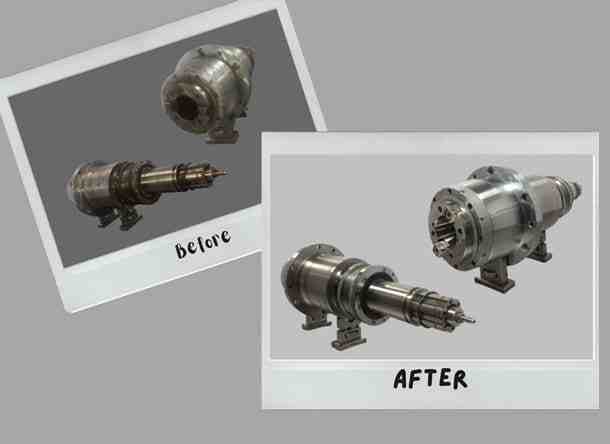
CNC Machine Maintenance: Smooth 2026 Guide
Why Proactive CNC Machine Maintenance is Non-Negotiable
CNC machine maintenance is crucial for keeping your industrial manufacturing operations running smoothly. Here’s a quick overview of why it’s so important:
- Prevent Unexpected Breakdowns: Avoid costly pauses in production.
- Extend Machine Lifespan: Make your valuable industrial manufacturing spindles and other components last longer.
- Ensure Precision: Keep your parts high-quality and consistent, meeting tight tolerances.
- Reduce Operational Costs: Save money on expensive emergency repairs and lost productivity.
- Boost Efficiency: Maintain peak performance for your entire CNC system.
Industrial manufacturing relies heavily on advanced CNC machinery, especially those with high-precision spindles. These powerful tools are the backbone of modern production, creating parts with incredible accuracy. But like any high-performance equipment, they need careful attention. Ignoring this care can lead to serious problems.
Consider this: an unplanned CNC machine breakdown typically costs about 5 times more than setting up a yearly maintenance plan. That’s a huge financial hit. In fact, unplanned downtime across manufacturing facilities costs businesses up to $50 billion a year.
That’s where CNC machine maintenance comes in. It’s not just about fixing things when they break. It’s about being proactive to prevent issues, ensuring your machines perform their best, for longer. Regular maintenance means consistent quality, less waste, and a healthier bottom line. It’s about safeguarding your investment and keeping your industrial manufacturing spindles operating at their peak.

Understanding Your Machine: Key Components That Need Attention
At the heart of every industrial manufacturing operation is the CNC machine, a marvel of mechanical, electrical, electronic, and software engineering. For successful CNC machine maintenance, we must understand the critical components that keep these precision tools humming.
From the moment a program is loaded to the final cut, every part plays a vital role. Here’s a look at the key areas we focus on:
- Control Panel & Electronics: This is the brain of your CNC machine. It houses the computer, drives, and other electronic components that translate your designs into physical actions. Issues here can lead to software glitches, incorrect movements, or complete system shutdowns. Keeping the control cabinet sealed, dust-free, and dry is paramount to prevent overheating or short-circuiting.
- Coolant System: Precision machining generates a lot of heat. The coolant system—comprising pumps, filters, and fluid—is essential for dissipating this heat, lubricating the cutting interface, and flushing away chips. Proper coolant concentration and cleanliness are non-negotiable for tool life and part quality.
- Lubrication System: CNC machines have numerous moving parts, from linear guides to ball screws, that require constant lubrication to prevent friction, wear, and overheating. This system ensures smooth movement and extends the lifespan of critical components.
- Drive Systems & Ball Screws: These components are responsible for the precise movement of the machine’s axes (X, Y, Z, and rotary axes). Ball screws, belts, and chains within the drive system must be properly tensioned, clean, and well-lubricated to maintain accuracy and prevent backlash.
- Tool Changer: Many CNC machines feature automatic tool changers to swap out cutting tools quickly. This complex mechanism needs regular inspection to ensure smooth operation, proper tool clamping, and alignment.
The Core of Your CNC Machine Maintenance Program: The Spindle
Among all components, the industrial manufacturing spindle stands out as the heart of your CNC machine. It’s responsible for holding and rotating the cutting tool at incredibly high speeds, often over 10,000 RPM. The spindle’s health directly impacts machining accuracy, surface finish, and overall productivity.
Our expertise at MZI Precision is deeply rooted in understanding and maintaining these critical components. Here’s what makes the spindle so vital:
- Bearings: These allow the spindle to rotate smoothly with minimal friction. Contamination or inadequate lubrication can lead to premature bearing failure, causing excessive vibration, noise, and overheating. Regular monitoring of vibrational and ultrasonic frequencies can help detect bearing issues early. For in-depth insights into preventing these issues, explore our guide on Spindle Bearing Lubrication.
- Drawbar: The drawbar holds the tool holder securely in the spindle taper. A weakening drawbar force can lead to tool pull-out or chatter, resulting in poor part quality and potential damage to the tool and spindle.
- Taper Cleanliness: The interface between the tool holder and the spindle taper must be impeccably clean. Even tiny chips or debris can cause runout, reduce clamping force, and lead to inaccurate cuts. We emphasize the importance of keeping the inner taper hole of the spindle clean and lightly oiled.
- Contamination Prevention: Spindle contamination is a critical issue that can significantly impact performance. Common contaminants include dust, chips, improper lubrication, and liquid (coolant, cutting oil). Signs of contamination include poor surface finishing, excessive vibration, high temperatures, and dropping drawbar force. Best practices for prevention include ensuring coolant spray is not aimed at the spindle nose, keeping coolant clean, and maintaining proper seal systems. Our resources on Spindle Health provide further detail on these preventative measures.
Regular CNC Spindle Maintenance is not just a recommendation; it’s a necessity. It reduces downtime, improves efficiency, lowers repair costs, and extends the spindle’s lifespan. An emergency spindle repair can be far more costly than proactive care. If you notice any signs of spindle contamination or degraded performance, don’t hesitate to reach out to us for CNC Spindle Repair services.
A Practical CNC Machine Maintenance Checklist: Daily, Weekly, Monthly, & Annually
Effective CNC machine maintenance requires a structured approach. We advocate for a comprehensive checklist that covers tasks from daily checks to annual overhauls. This systematic method ensures that no critical component is overlooked, keeping your machinery in optimal condition. For more general advice on machinery maintenance, consider these practical guidelines.
DAILY CHECKS
These are quick, routine tasks that can often be performed by machine operators at the start or end of a shift. They’re your first line of defense against unexpected issues.
- Fluid Levels: Inspect and top up coolant, hydraulic fluid, and lubrication levels. Ensure the coolant concentration is correct using a refractometer.
- Chip Removal: Empty the chip hopper and clean the machine bed and chip trays to prevent accumulation, which can trap coolant and cause rust.
- Surface Wipe-Down: Wipe down all machine surfaces, windows, doors, and lights to remove grime, debris, and oil stains. This not only keeps the machine looking good but also prevents small metal shavings from entering moving parts.
- Pressure Gauges: Check pneumatic air pressure (typically 5-7 KG/CM2, with an alarm if it drops below 5 KG/CM2) and hydraulic pressure (ensure it’s around 4.5 MPa). Drain moisture from the pneumatic air filter tank.
- Visual Inspection: Look for any unusual leaks (oil, coolant, lubricant), loose connections, damaged cables, or abnormal sounds. Inspect all covers, guards, and safety devices.
- Spindle Air Blowing: Check the spindle air blowing function and clean the inner taper hole.
- Pre-operation Warm-up: If the machine has been idle, allow it to preheat for at least 10 minutes before processing.
WEEKLY CHECKS
These tasks dig a bit deeper, ensuring that systems running continuously are maintained.
- Filter Cleaning: Clean the control cabinet’s air filter and ensure all cooling fans are working properly.
- Way Cover Inspection: Inspect way covers for cleanliness and damage. Verify oil coverage on surfaces protected by way covers to ensure smooth movement of ball screws and linear guides.
- Tool Changer Cleaning: Clean and lubricate components of the tool changer, including the arm and magazine, ensuring smooth rotation and proper tool holding. Check tool heads for security and cleanliness.
- Electrical Components: Inspect electrical components like switches and lights, checking for loose connections or damaged wiring.
- Oil Cooler: Check the oil cooler oil level and ensure its temperature is set between 26-28 degrees Celsius.
- Spindle Inspection: A more detailed look at the spindle, checking for any signs of contamination or wear. Regularly consult our CNC Spindle Maintenance guide for specific weekly tasks.
MONTHLY CHECKS
Monthly tasks are more comprehensive and often require a bit more dedicated time.
- Chuck and Jaws Cleaning: Remove and thoroughly clean the chuck and jaws, inspecting for damage or wear, and adjust if necessary.
- Conveyor Lubrication: Inspect, lubricate, and adjust chains or conveyors, particularly the chip conveyor.
- Radiator Cleaning: Clean radiators and cooling fans, ensuring radiator fins are straight and free of debris. Clean radiator grills.
- Air Filters: Clean or replace all air filters (e.g., on the control cabinet or cooling units).
- Leak Inspection: Conduct a thorough check for any leaks of lubricant, oil, or coolant throughout the machine. Review oil fill checklists for unusual oil consumption.
- Machine Fans: Clean various machine fans.
- Three-Axis Tracks: Lubricate X, Y, and Z three-axis tracks.
- Electric Motor Maintenance: For tips on maintaining the motors that power your CNC machine, refer to our Electric Motor Maintenance Tips guide.
ANNUAL CHECKS
These are the big ones, often requiring significant downtime and potentially external expertise. Think of these as your machine’s annual physical.
- Full System Flush: Remove and clean the coolant cylinder tank, draining all old coolant and removing chips not caught by the conveyor. Inspect for bacterial growth before refilling with fresh fluid. Drain, clean, and refill the lubrication unit and hydraulic tank, replacing all filters. Inspect pneumatic oil for contaminants and change if required.
- Machine Leveling and Alignment: Check and adjust the machine’s leveling. Verify the vertical accuracy of each axis.
- Backlash Check: Run backlash programs on all axes (X, Y, Z) and adjust as needed. This is crucial for maintaining machining accuracy. If necessary, replace X and Y axis gibs. Software simulations can also be run to check tool alignment and indentation.
- Professional Inspection: Schedule a professional inspection by certified technicians. This is where MZI Precision can provide invaluable service, particularly for industrial manufacturing spindles.
- Key Sensitivity: Check the sensitivity of all keys.
- Electric Box: With the machine off, clean dust in the electric box and check all contacts, connectors, sockets, and switches.
- Triaxial Anti-chip Guard: Disassemble for cleaning and inspection.
- Servo Motor and Head: Check their operation for abnormal sounds.
- Spindle Inspection: A thorough Spindle Failure Analysis can be performed to preempt major issues.
Evolving Your Strategy: From Preventive to Predictive Maintenance
When it comes to CNC machine maintenance, strategies have evolved significantly. We’ve moved beyond simply reacting to problems, embracing more proactive and data-driven approaches.
- Reactive Maintenance (Run-to-Failure): This is the “fix it when it breaks” approach. While seemingly simple, it’s the most costly and disruptive. It leads to unplanned downtime, emergency repairs, and often, collateral damage to other components. An unplanned CNC machine breakdown typically costs about 5 times more than an annual maintenance plan.
- Preventive Maintenance (Scheduled): This involves performing maintenance tasks at fixed intervals (daily, weekly, monthly, annually), regardless of the machine’s actual condition. It’s a significant improvement over reactive maintenance, as it helps prevent many common failures. Businesses can reduce their maintenance costs by between 12 percent and 18 percent with a preventive maintenance system. In fact, 80% of maintenance personnel favor preventive maintenance.
- Predictive Maintenance (Condition-Based): This is the most advanced strategy. It uses real-time data and monitoring to predict when a component is likely to fail, allowing maintenance to be scheduled precisely when needed, minimizing downtime and maximizing component life.
Transitioning to a Data-Driven Approach
The shift from preventive to predictive maintenance is powered by technology and data. It’s about moving from “time-based” to “condition-based” servicing.
- Role of Sensors: Modern CNC machines can be equipped with an array of sensors that monitor key performance indicators. These sensors can track temperature, pressure, vibration, current draw, and more. For example, sensors placed on rotating equipment can detect early signs of bearing failure, allowing us to lubricate or replace the bearing proactively.
- Vibrational and Ultrasonic Frequencies: Machines often vibrate long before issues are noticeable to the human ear. Regular monitoring of vibrational and ultrasonic frequencies can identify minor performance deficiencies in industrial manufacturing spindles and other components. Abnormal vibration can indicate imbalances, misalignments, or worn bearings. Our CNC Spindle Vibration Analysis services are designed to pinpoint these issues with precision.
- Thermal Imaging: Infrared cameras can detect abnormal heat patterns, indicating friction, electrical issues, or insufficient cooling. This allows for early intervention before overheating causes damage.
- Data Analysis: The data collected from sensors is analyzed to identify trends, predict potential failures, and optimize maintenance schedules. This real-time equipment data is the backbone of a usage-based or condition-based maintenance strategy.
- CMMS Software: Computerized Maintenance Management Systems (CMMS) software plays a crucial role in automating data collection, scheduling preventive work, managing spare parts inventory, and tracking machine condition in real-time. This makes maintenance more precise and organized, allowing for a seamless transition to a digital, data-driven approach.
Common Pitfalls and How to Master Them
Even with the best intentions, CNC machine maintenance can present its own set of challenges. Understanding these common pitfalls and knowing how to overcome them is key to a robust maintenance program.
Overcoming Common CNC Machine Maintenance Challenges
We’ve seen it all, and these are the problems that often trip up manufacturing operations:
- Time Constraints: Balancing production demands with maintenance needs is a perennial struggle. Plant managers might postpone maintenance to meet production numbers, which is a shortsighted approach. The solution often involves scheduling maintenance during planned downtime, off-peak hours, or creating flexible schedules based on actual machine usage. Planned downtime is always better than unplanned downtime.
- Inadequate Documentation: Without proper records, it’s nearly impossible to track maintenance history, identify recurring issues, or justify the costs of proactive care. This leads us to our next point…
- Spare Parts Management: Imagine a critical component fails, and you don’t have the spare part. This means extended downtime waiting for delivery. We recommend keeping an inventory of hard-to-source or frequently replaced parts handy. This is particularly true for critical industrial manufacturing spindle components.
- Overheating: Overuse, lack of cleanliness, poor airflow, or high environmental temperatures can lead to components overheating. This accelerates wear and can cause significant damage. Regular cleaning of radiator grills and ensuring cooling fans are functional are simple yet effective preventative measures.
- Vibration: Excessive machine vibration not only impacts product precision but also reduces tool lifespan and machine efficiency. It can stem from improper installation, faulty components, or worn bearings within the spindle. Regular monitoring of vibrational and ultrasonic frequencies is crucial here. If concerns arise, consulting professionals for vibration analysis can help identify the root cause. This is where services like ours in California, including Los Angeles and Huntington Beach, can provide expert support for your machinery maintenance needs.
The Power of Good Record-Keeping
This brings us to the unsung hero of effective CNC machine maintenance: documentation.
- Maintenance Logs: Detailed logs of every inspection, service, and repair provide a historical record of your machine’s health. This includes dates, tasks performed, parts replaced, and observations made.
- Tracking Repairs: By tracking repairs, you can identify which components fail most frequently, allowing you to stock appropriate spare parts or investigate root causes for systemic issues.
- Identifying Trends: Over time, maintenance records reveal trends in machine performance. Are certain parts wearing out faster than expected? Is the coolant needing replacement more often? These insights are invaluable for optimizing your maintenance strategy.
- Justifying Costs: Comprehensive documentation helps justify maintenance budgets by demonstrating the tangible benefits of proactive care, such as reduced downtime and extended machine life.
- Enhancing Program Effectiveness: Good record-keeping allows you to continuously refine and improve your CNC machine maintenance program, making it more efficient and cost-effective. Cloud-based CMMS software can greatly simplify this process, making data accessible and actionable.
Frequently Asked Questions About CNC Machine Maintenance
We often hear similar questions from our clients about how to best care for their industrial manufacturing equipment. Here are some of the most common ones:
How does proper maintenance reduce operational costs?
Proper CNC machine maintenance is a direct pathway to significant cost savings. Firstly, it drastically reduces unplanned downtime. An unplanned breakdown can cost your business thousands in lost production, expedited parts, and missed deliveries, often costing about five times more than a planned annual maintenance. By extending the lifespan of expensive components like industrial manufacturing spindles, you delay costly replacements. Regular maintenance also ensures machines operate at peak efficiency, which can lead to better energy consumption and reduced waste due to higher quality parts. Early detection of minor issues prevents them from escalating into major, expensive repairs, effectively changing unpredictable emergency costs into manageable, scheduled expenses.
What’s the difference between preventive and predictive maintenance?
While both aim to prevent failures, their approaches differ. Preventive maintenance is time-based, meaning tasks are performed at predetermined intervals (e.g., daily, weekly, annually) regardless of the machine’s actual condition. It’s like changing your car’s oil every 5,000 miles. It’s effective at reducing common failures, with businesses often reducing maintenance costs by 12-18% through its implementation.
Predictive maintenance, on the other hand, is condition-based. It uses real-time data from sensors and monitoring tools (like vibration analysis or thermal imaging) to assess the machine’s actual health. Maintenance is only performed when the data indicates it’s necessary, just before a component is expected to fail. This approach maximizes component lifespan and minimizes intervention, making it highly efficient, especially for critical assets like industrial manufacturing spindles. It’s like your car telling you exactly when it needs an oil change based on engine performance.
How often should I have my machine’s spindle professionally inspected?
For industrial manufacturing spindles, we recommend a professional inspection as part of your annual comprehensive CNC machine maintenance plan, or immediately if you observe any concerning symptoms. While your weekly and monthly checks cover basic spindle health, a professional inspection digs deeper. This is particularly important for detecting subtle issues like early bearing wear, drawbar force degradation, or minor contamination that might not be obvious to the untrained eye.
Signs such as unusual noises, excessive vibration, high temperatures, poor surface finish on parts, or a drop in machining precision are clear indicators that your spindle requires immediate professional attention. At MZI Precision, we specialize in comprehensive spindle diagnostics and repair, ensuring your industrial manufacturing spindles in California, including our locations in Los Angeles and Huntington Beach, receive the expert care they deserve.
Conclusion: Safeguarding Your Investment for Peak Performance
In the world of industrial manufacturing, optimal performance of your CNC machines is not just an advantage—it’s a necessity. Through diligent CNC machine maintenance, we can ensure that your operations run smoothly, efficiently, and profitably.
By implementing a robust maintenance program that includes daily checks, weekly inspections, monthly tune-ups, and annual overhauls, you actively safeguard your valuable investment. This proactive approach significantly reduces unplanned downtime, extends the lifespan of your industrial manufacturing spindles and other critical components, and maintains the high precision your products demand. The long-term value of consistent maintenance far outweighs the short-term costs, leading to reduced operational expenses and a more reliable production line.
At MZI Precision, we understand the intricate needs of industrial manufacturing spindles. With our expertise in OEMs rebuilt spindles and commitment to exceptional service, we are here to support your maintenance efforts, ensuring your CNC machines continue to perform at their peak for years to come.
Learn more about our comprehensive spindle services and how we can partner with you to keep your industrial manufacturing operations running flawlessly.